
The crossing between your driveway and the road — done properly
The crossover is the section of concrete that carries vehicles from the road, over the kerb and nature strip, to your driveway. Because it sits on council land, it has to be built to Bayside City Council's specification and signed off by inspection — and that means a permit. We handle the whole process: the application, the construction to standard, and the inspection, so you don't have to deal with council at all.
A poorly built crossover is one of the most common causes of disputes with council and one of the easiest things to get wrong. The crossing has to match the existing kerb profile, drain correctly, meet the road at the right level and use the right concrete strength. Get it wrong and council can require it to be ripped up and redone. Get it right — with a permit and an inspection — and you have a crossing that's compliant, durable and signed off.
We've been building crossovers across Bayside for over 15 years, so we know the Bayside City Council standard inside out. We lodge the application, build to spec, and arrange the inspection as part of the job. Read our full Bayside Council Crossover Permit Guide for the step-by-step process.
From permit to inspection — the full crossover process
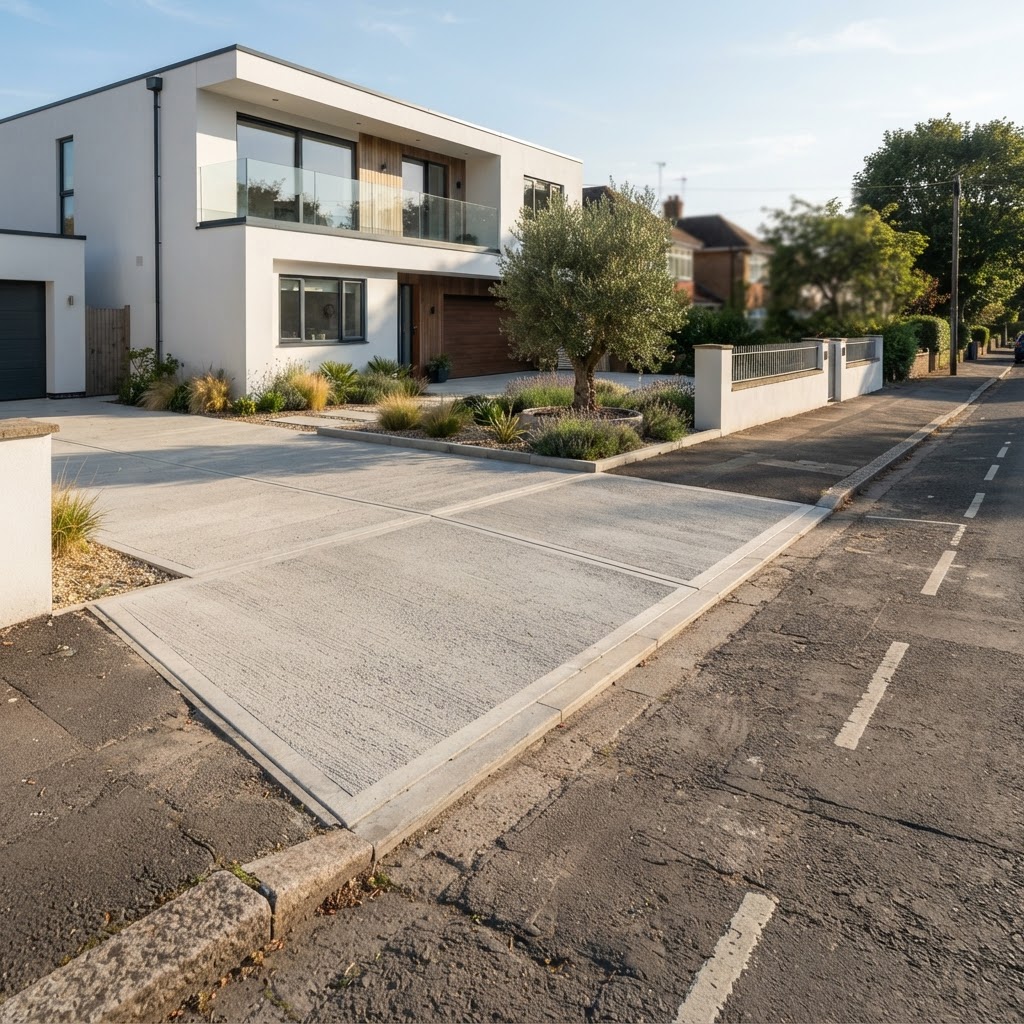
Built to the Bayside City Council crossover standard
Bayside City Council requires vehicle crossings to meet a specific engineering standard covering width, concrete strength, sub-base, drainage and the transition to the road kerb. We build every crossover to that standard so it passes inspection first time.
- Correct crossover width for the frontage and road
- Specified concrete strength and slab thickness
- Compacted sub-base and correct falls for drainage
- Kerb profile matched and neat transition to the road
- Nature strip reinstated after the pour
- Compulsory council inspection arranged and signed off
Common reasons crossover applications get held up include incomplete drawings, incorrect width, or a proposal that conflicts with nearby services. Because we lodge the application and prepare the site, we catch these issues before they become delays. Read our Bayside Council Crossover Permit Guide for the full list of common rejections and how to avoid them.
Concrete crossover FAQs — Brighton
Yes. Any new, replaced or widened vehicle crossing over the nature strip and kerb in Brighton requires a crossover permit from Bayside City Council, and the crossing must be built to the council's engineering standard. We prepare the crossing to spec, lodge the permit application on your behalf, and arrange the compulsory inspection.
A crossover is quoted individually because the price depends on the width, whether existing kerb or concrete needs removing, and the Bayside City Council permit fees. The permit application fee is set by council and is included in our fixed quote, which we send after assessing the site.
Bayside City Council specifies maximum crossover widths for residential properties — generally around 3.5m for a single crossing and up to 6m for a double, though exact allowances depend on the frontage and the road. We confirm the allowable width as part of the permit application.
Yes. We cut and remove the existing crossing and any redundant concrete, prepare the sub-base to the council standard, form and pour the new crossover, and reinstate the nature strip. The whole process, including the permit, is handled end to end.
The crossover sits on council land (the nature strip) but is the property owner's responsibility to build and maintain to the council's standard. The permit ensures the work is inspected and signed off, which protects you if the crossing is ever queried.
Allow a few weeks for the permit to be approved before work starts. Once approved, the crossover itself is usually completed in one to two days on site, with the council inspection arranged once the concrete has cured.